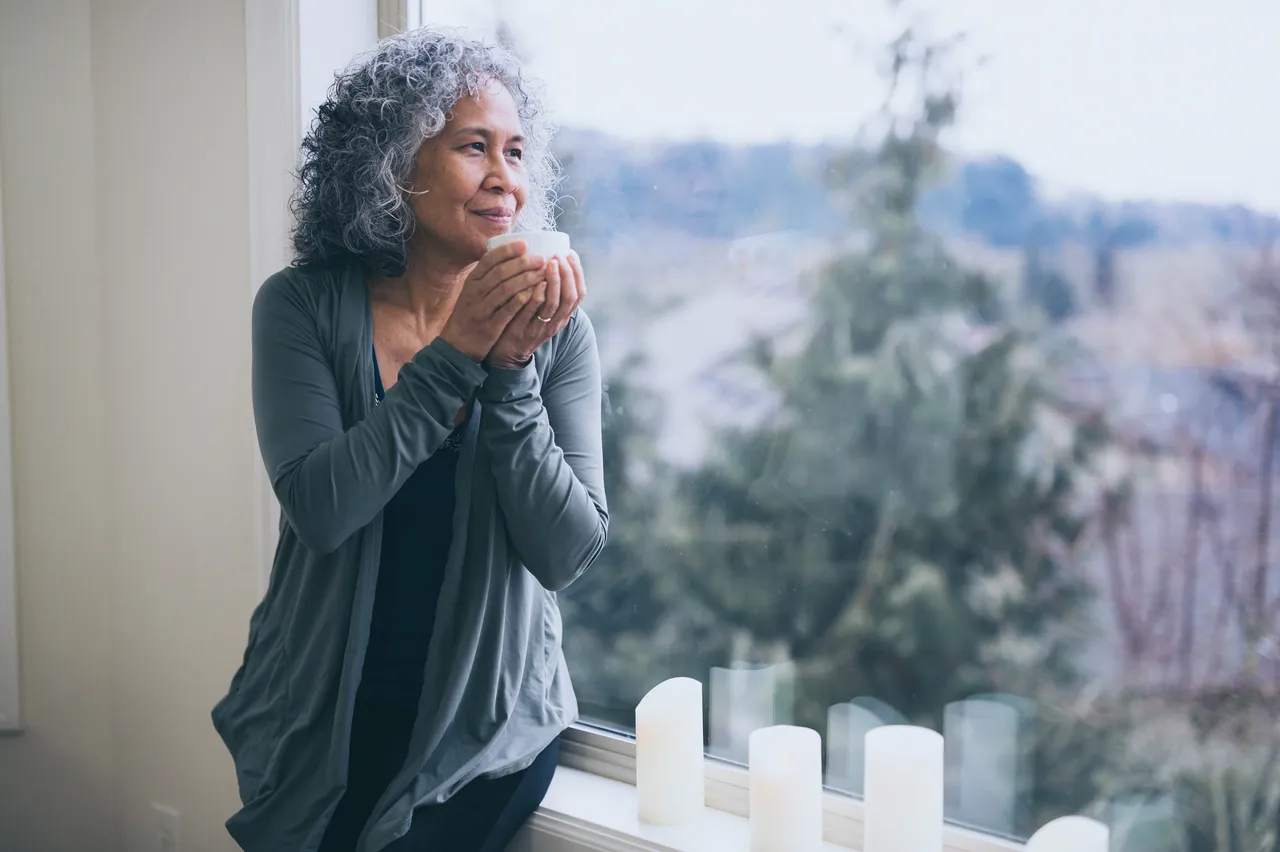
Uncovering the Journey to Mental Balance
Step into a world where mindfulness transforms daily stress into clarity and calm. Embracing mindfulness isn’t just a fleeting trend—it’s a proven practice that fosters mental equilibrium and emotional resilience. In this guide, you’ll discover how grounding techniques can ease the overwhelming pace of life while nurturing your inner strength. Here, we explore practical tips that turn meditation into an accessible, everyday habit.
Mindfulness training helps reduce anxiety, improves focus, and promotes a healthy emotional outlook. As you navigate your wellness journey, consider these actionable strategies:
- Daily Breathing Exercises: Simple practices that center the mind and breathe life into moments of calm.
- Progressive Relaxation: Techniques that systematically release tension from every muscle group.
- Mindful Observation: A method to cultivate awareness of your surroundings, important for those in bustling urban centers or tranquil local communities alike.
By integrating these elements into your routine, you begin to see not only immediate relief but also lasting improvements in your overall mental health. This introduction sets the stage for exploring various mindfulness techniques, ensuring you gain both understanding and practical guidance to enhance your well-being.
Step-by-Step Guide to Cultivating Mindfulness
Embarking on a mindfulness journey can transform your daily routine and overall mental wellness. Whether you reside in a bustling city center or a quiet suburb, this step-by-step guide offers practical tips to begin your practice effectively.
- Start with a dedicated space: Select a quiet area at home or a local park. A serene environment helps reduce distractions and encourages focus.
- Set clear intentions: Define what you wish to achieve with mindfulness—be it stress reduction, enhanced clarity, or improved emotional balance.
- Begin with basic breathing exercises: Practice deep, deliberate breaths. For the first few minutes, focus solely on the rhythm of your breathing.
- Introduce guided meditation: Use simple, self-directed methods or mobile apps tailored to your locale. Consistent practice even for five minutes can yield noticeable benefits.
- Reflect and journal: At the end of your session, jot down your reflections. Note any changes in mood or concentration to track progress.
By following these sequential steps and incorporating mindfulness into your daily routine, you pave the way to a more centered and resilient state of mind.
Discover the Power of Mindful Meditation
Enhancing your mental wellness can be as simple as incorporating mindful practices into your everyday routine. Mindfulness techniques such as meditation, focused breathing exercises, and body scans offer practical methods to manage stress and improve overall well-being. Meditation provides a quiet space to observe your thoughts, helping you build a resilient mindset. When you practice slow, intentional breathing, you activate your body’s natural relaxation response, which can alleviate tension and anxiety. Likewise, a body scan invites you to recognize and release areas of physical discomfort by methodically shifting your attention from head to toe.
Consider these actionable tips:
- Dedicate a few minutes each day to sit quietly and focus solely on your breath.
- Experiment with guided meditation sessions to establish a grounded routine.
- Integrate body scans during breaks at work or at home to promote continuous relaxation.
By exploring these techniques, you can tailor a practice that supports personal growth and emotional stability, no matter where you are. Embrace mindfulness as a lifelong journey toward sustainable balance and mental clarity.
7 Practical Ways to Bring Mindfulness into Your Daily Routine
Finding moments of peace during a busy day can significantly boost mental wellness. Here are seven actionable tips to seamlessly integrate mindful practices into your daily schedule:
- Start with Intentions: Begin your day by setting a clear intention to be present. Even a few minutes of focused breathing can serve as a powerful reminder throughout the day.
- Mindful Mornings: Incorporate a brief meditation session into your morning routine. This could involve sitting quietly, noticing your breath, or journaling about your thoughts before diving into daily tasks.
- Conscious Commuting: Turn travel time into a period of mindfulness. Whether you drive or use public transport, use moments of waiting or moving to practice deep, calming breaths.
- Focused Breaks: Schedule short, mindful breaks during work hours. Step away from the desk, stretch, or practice a quick body scan to reduce tension.
- Mindful Meals: Eat without distractions. Savor each bite by engaging your senses, helping foster a deeper connection with nourishing foods.
- Evening Reflection: Wind down with a mindful reflection on the day, allowing you to learn and appreciate the small moments.
- Local Mindfulness Events: Explore community workshops or classes that encourage mindfulness practices, connecting you with like-minded individuals locally.
What Is Mindfulness and How Does It Benefit Mental Health?
Mindfulness is a practice that encourages paying attention to the present moment without judgment. It cultivates an awareness of thoughts and feelings, offering a pathway to manage stress and boost emotional resilience.
How Can I Integrate Mindfulness into My Daily Routine?
Incorporating mindfulness doesn’t require a major time commitment. Begin with short periods of focused breathing, practice mindful walking, or integrate simple meditation sessions into your day. Establishing a consistent routine can help anchor your mental wellness journey.
What Techniques Are Effective for Beginners?
Beginners may benefit from techniques such as controlled deep breathing, progressive muscle relaxation, and journaling. Using these methods regularly can improve concentration and foster a sense of calm, paving the way for deeper mindfulness practices.
How Does Mindfulness Help Manage Stress and Anxiety?
Mindfulness empowers individuals to acknowledge and address negative thought patterns. By shifting focus to the present moment, emotional reactivity is reduced, leading to improved stress management and overall mental wellness.
Where Can I Find Local Mindfulness Resources?
Look for community mental health centers or wellness groups in your area. Local workshops and classes offer practical sessions to deepen your practice, providing an accessible starting point for mindful living.
Final Reflections for Empowered Wellbeing
Drawing together key insights on mindfulness for mental wellness, this conclusion reinforces the transformative potential of mindful practices. Reflect on the following takeaways to create a more centered and balanced life:
- Recognize that cultivating mindfulness is an ongoing journey, not a one-time fix.
- Embrace simple yet effective techniques such as deep-breathing, guided imagery, or journaling to manage daily stress.
- Appreciate the importance of adaptability in your routine; adjust your approach as circumstances evolve.
Actionable next steps include identifying a few mindfulness practices that resonate with you and scheduling regular intervals for self-reflection. Consider setting measurable goals such as maintaining a daily meditation log or exploring group classes available in your local community. These steps not only empower you with practical tools but also enhance your overall ability to handle stress and unforeseen challenges.
Remember, the journey to improved mental wellness through mindfulness is both personal and evolving. Keep an open mind, stay patient, and allow each moment to propel you toward a more balanced and fulfilling life.