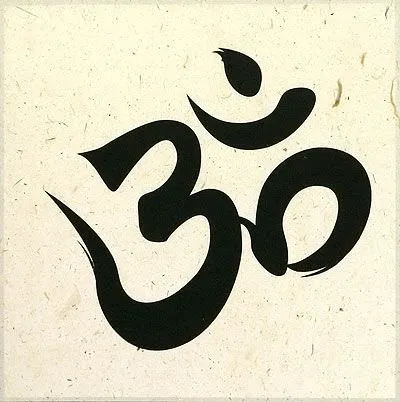
It’s fascinating how something as simple as a sound can act like a “reset button” for the nervous system. Using sound—specifically the vibration of “Om”—isn’t just a spiritual practice; it’s actually grounded in how our biology responds to frequency and breath.
Here is a breakdown of how sound and the “Om” chant work as tools for healing anxiety and trauma.
1. The Science: Stimulating the Vagus Nerve
The most direct way sound helps with trauma is through the vagus nerve, the “superhighway” of your parasympathetic nervous system (the “rest and digest” mode).
Vibration: When you chant “Om,” the physical vibration in your throat and chest stimulates the auricular branch of the vagus nerve. The auricular branch of the vagus nerve (often nicknamed the Alderman’s nerve) is one of the most accessible “entry points” for calming the nervous system. Unlike other branches of the vagus nerve that are buried deep in your chest or abdomen, this branch surfaces right in your outer ear.
This proximity is why chanting “Om” is so effective—it creates a mechanical vibration that stimulates this nerve without needing expensive medical devices.
Where It Is & Why It Matters
The auricular branch provides sensory information to the skin of the ear canal, the tragus (the little bump in front of your ear), and the auricle (the outer ear).
- The Brain Connection: This nerve feeds directly into the Nucleus Tractus Solitarius (NTS) in the brainstem. The NTS acts as a gateway to the rest of your brain, signaling your body to move from “Survival Mode” (Sympathetic) to “Safety Mode” (Parasympathetic).
- The “Om” Mechanism: When you chant “Om” loudly, the resonance in your skull and the movement of your jaw create physical vibrations in the ear canal. Research suggests this vibration acts as a form of natural transcutaneous stimulation, mimicking the electrical “Vagus Nerve Stimulators” used in hospitals to treat depression and epilepsy.
Impact on Anxiety and Trauma
When this specific branch is stimulated through sound or vibration, several things happen in the brain:
1. Limbic Deactivation (The “Cool Down”)
Functional MRI (fMRI) studies have shown that chanting “Om” significantly deactivates the limbic system, including the amygdala (the brain’s fire alarm) and the hippocampus (involved in trauma memory).
Why this helps: In trauma, the amygdala is often overactive. By “quieting” it through auricular stimulation, you reduce the physical sensation of panic and hyper-vigilance.
2. Acetylcholine Release
Stimulating this nerve triggers the release of acetylcholine, the body’s primary “chill out” neurotransmitter. It physically slows your heart rate and reduces the “cytokine storm” (inflammation) often found in people with chronic stress or PTSD.
3. Increased Heart Rate Variability (HRV)
Regularly engaging this nerve branch improves your HRV. A higher HRV means your heart can switch between “excited” and “calm” more fluidly, making you more resilient when a real-life stressor hits.
How to Target It Manually
Since this nerve is in the ear, you can combine “Om” chanting with physical touch to double the effect:
- The Tragus Press: While humming the “Mmm” part of Om, gently press or massage the tragus (the flap of cartilage in front of the ear canal).
- The “Bee” Breath (Bhramari): Place your index fingers on the tragus and gently press in and out while humming. This creates a powerful internal vibration specifically targeted at the auricular branch.
- Ear Pulls: Gently tugging the earlobes downward and outward while breathing deeply can also provide mild stimulation to this vagal pathway.
- Heart Rate Variability (HRV): Studies have shown that rhythmic chanting can increase HRV, which is a key indicator of your body’s ability to recover from stress.
- The “Hum” Effect: The humming sound (the “mmm” at the end of Om) helps slow down the exhalation. Long exhales signal to the brain that you are safe, instantly lowering cortisol levels.
2. Breaking the Trauma Loop
Trauma often keeps the body in a state of hyper-vigilance (the “fight or flight” response). Sound acts as an anchor in the present moment.
- Binaural Beats & Singing Bowls: These tools use specific frequencies to shift your brainwaves from Beta (active/anxious) to Alpha or Theta (relaxed/meditative).
- Somatic Release: Trauma is often stored as physical tension. The resonance of deep sound can help “shake loose” that tight, constricted feeling in the chest or stomach.
3. The Anatomy of “Om” ($A-U-M$)
In traditional practice, “Om” is actually composed of four parts, each targeting a different area of the body and mind:
Sound. Physical Focus. Energetic Effect
A (Ahh) . Belly / Pelvis. Grounding; connects you to the physical world.
U (Ooo) . Chest / Heart. Emotional clearing; opens the ribcage.
M (Mmm) . Throat / Head. Calms the mind; vibrates the cranium.
Silence . The Space After. Integration; allows the nervous system to settle.
—————————————–
Tips for Practice
If you’re feeling a spike in anxiety, you don’t need a yoga mat or a temple to use this:
1. Find the “M”: Even a simple hum—like a bee—for 2 minutes can quiet a racing heart
2. Focus on the Feel: Don’t worry about how you sound. Focus entirely on where you feel the vibration in your body.
3. Low Pitch: Deep, low tones are generally more grounding for trauma than high-pitched sounds.
——————————————
A Note of Care: For those with severe PTSD, silence or certain sounds can sometimes feel overwhelming. It is always okay to stop or keep your eyes open if you feel “flooded.” Sound is a tool for youto control your environment.
Zhang J, Shen Q, Lin X, et al
Transauricular vagus nerve stimulation in preventing post-traumatic stress disorder in emergency trauma surgery patients in China: a study protocol for a multicenter, double-blind, randomised, controlled trial
BMJ Open 2025;15:e093467. doi: 10.1136/bmjopen-2024-093467
Kamaraj VK, Boopalan D, Venkatachalam YK, Senthil K, Kuppusamy M. Mechanistic Insights from Neurophysiological Studies of OM Chanting, Pranayama and Yoga Nidra on Sleep Quality. Ann Neurosci. 2025 Oct 29:09727531251386644. doi: 10.1177/09727531251386644. Epub ahead of print. PMID: 41180163; PMCID: PMC12571781.